[Genealogy]
NWE is a cultural critique in the form of a hyperbolic satire.
Technology begins to augment sensorium and reality.

Our contemporary lifestyle is transformed by technological advancement; and though technology is an apparatus external to the physical body, it begins to augment the way the physical body experiences time, space, and reality.
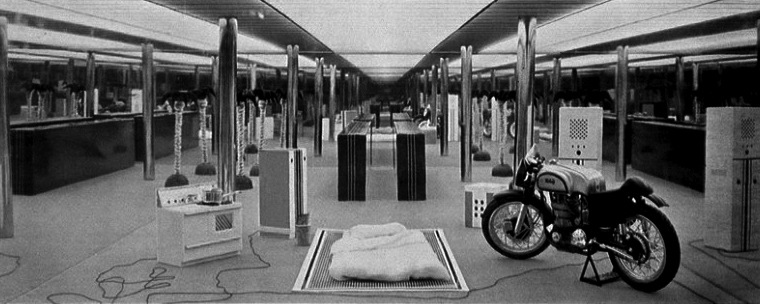
FORM. In No-Stop City, Branzi manipulates the forms and material stylized by modernism to create a catatonic landscape. In exaggerating the expansive scales and repetitive forms of architectural archetypes such as factories, he curates a world of endless genericism.
Branzi holds to the follies of the century’s new obsession: the prevalence of consumerism and the popularization of modernism. No-Stop City problematizes modernism, a stylistic ideology shaped by the ever-increasing productivity and homogeneity.
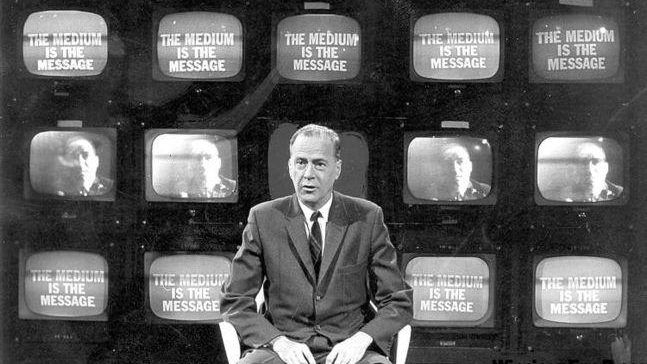
MEDIUM. Our contemporary lifestyle is transformed by technological advancement; and though technology is an apparatus of the physical body, it begins to augment how the physical body experiences time, space, and reality. A medium, or technological modality of production and dissemination, is embedded with a unique temporal/spatial manipulation that is inherent to a specific technique. Therefore, the specific content or aesthetic quality of the resulting product is not the message, but rather the technological process is the message. A technological process is external to the body, although the body may augment this process. When the result of a technological process creates a relationship to time/space/memory that alters lived reality and differs from the body’s conception of them, the physical body is transformed; technology is no longer wholly external. Rather, technology becomes an extension of the human sensorial perception.
All technology definitively connotes “progress.” Technology can be manipulated for various purposes to uphold various ideological doctrines, but to completely void the agency of the medium is to believe that content or outcome is fully dependent. It grants the hierarchy of individuals over the machine, a common enlightenment doctrine; and enables ideology to be diffused. By asserting that the technology is neutral, it transforms the medium into a moral and individual issue; it becomes a way to sustain nationalism and hegemonic systems and create supposed moral hierarchies. If technology is “neutral”, it only serves to suppress a critique of capitalism and the ways technology alienates laborers.
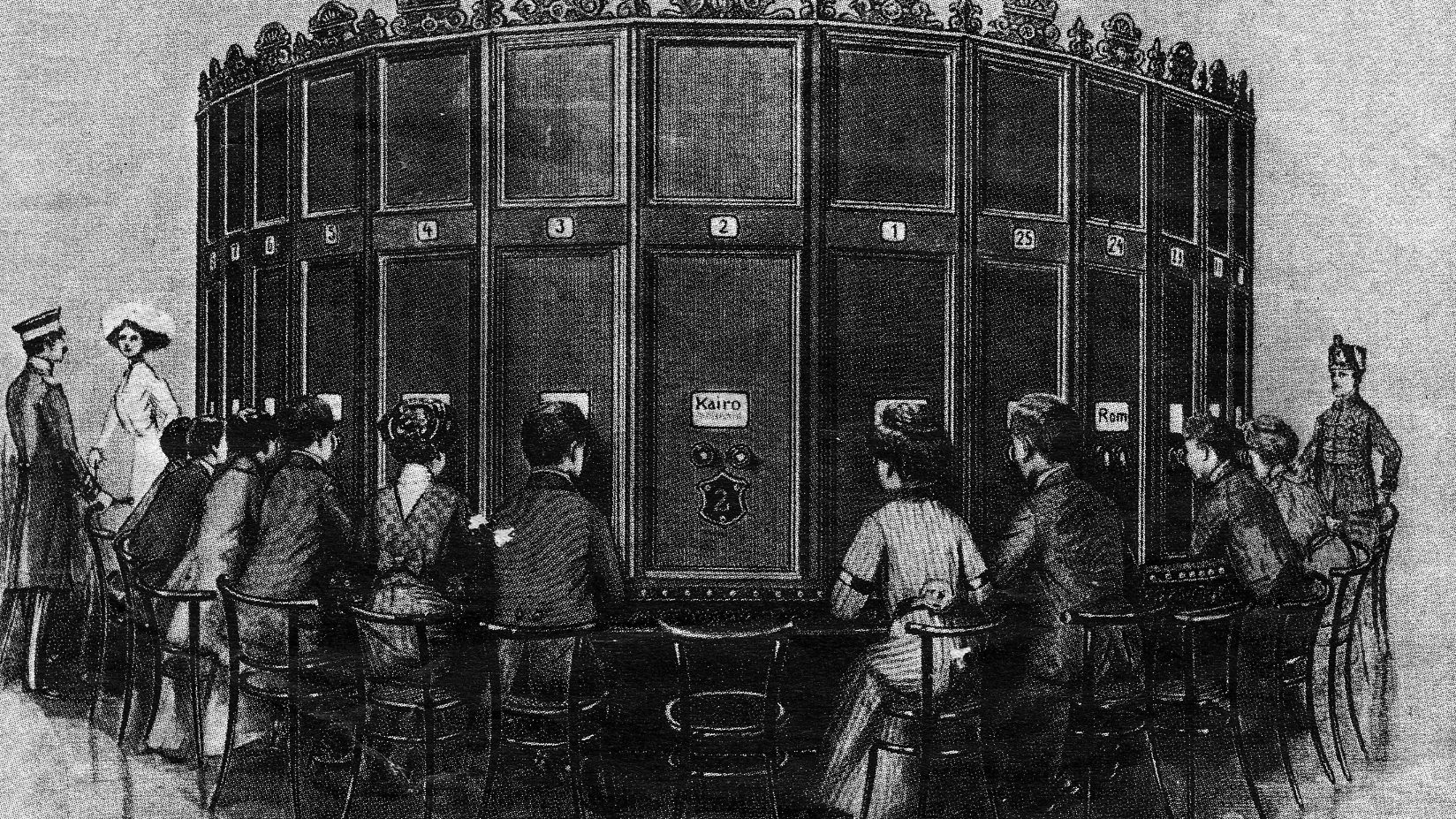
SCREEN. Initially an unequivocal domain of the spectacle, television has transformed into a compressed and synthesized process of global homogeneity. Television’s shift in function from a commodity-facilitating medium into a process of data communication correlates to new means of capitalist accumulation.
The power of mass media lies within the fact, that the creation of these machines has introduced a completely different scale to the world we live in. We communicate faster, calculate more accurately, produce more efficiently and travel further distances, in a dimension that was unimaginable before. The concerns for a totalitarian influence have started to take shape in our society, which reflects multiple facets of mass media.
 Jingqi Kay Liu